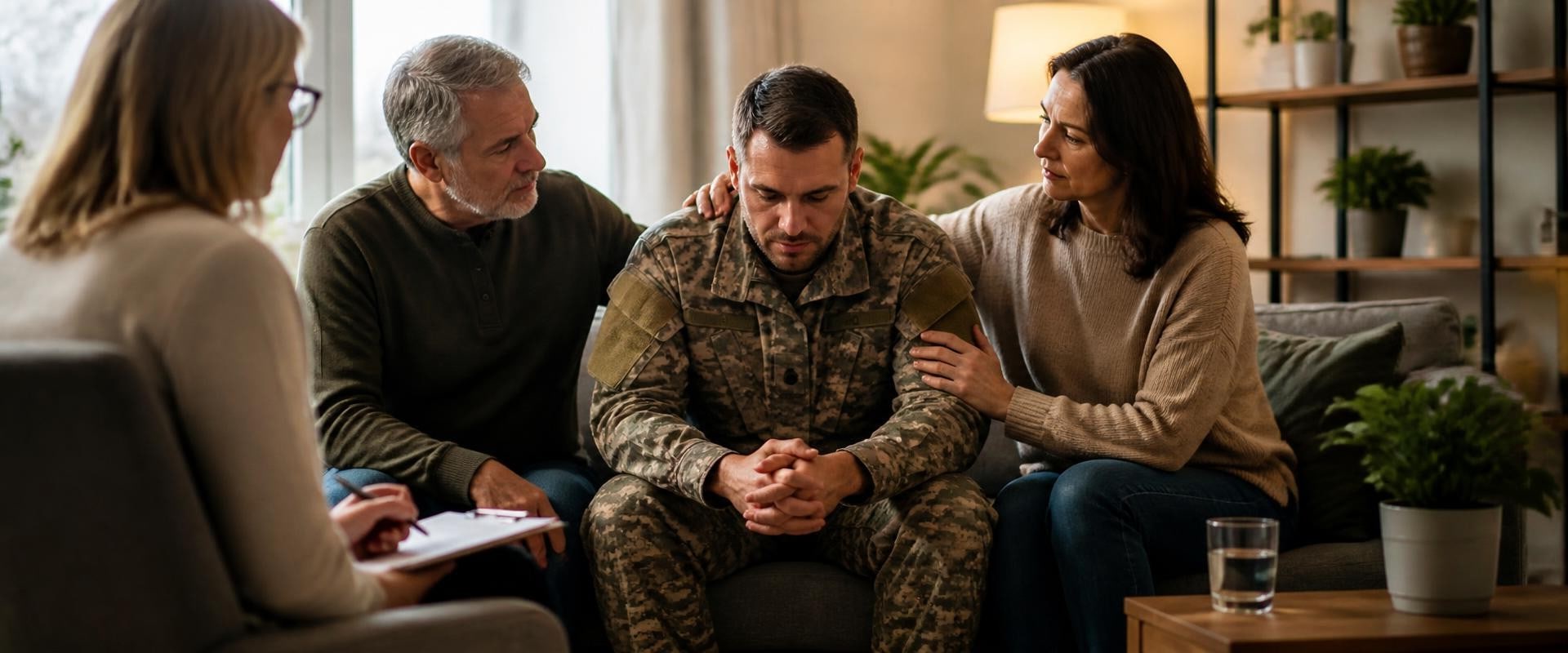
Post-traumatic stress disorder (PTSD) is a mental health condition that may develop after experiencing or witnessing traumatic events, including serious accidents, violence, natural disasters, or other distressing situations. Individuals living with PTSD may experience intrusive memories, nightmares, emotional distress, heightened anxiety, and difficulty maintaining everyday routines. These symptoms can affect relationships, employment, sleep quality, and overall well-being. Although recovery experiences vary, combining professional mental health treatment with supportive family relationships can help individuals manage symptoms and rebuild their sense of safety and stability.
Recognizing the Role of Family Support in Recovery
Family members often play an important role in supporting individuals experiencing PTSD. Emotional encouragement, patience, and understanding can help create a safe environment where affected individuals feel respected and supported. Loved ones may assist by listening without judgment, respecting personal boundaries, and acknowledging that recovery requires time. Learning about PTSD can also help families better understand symptoms such as emotional withdrawal, irritability, and heightened sensitivity to stressful situations. Rather than pressuring individuals to discuss traumatic experiences, family members should encourage open communication while allowing them to determine their comfort levels.
Understanding the Benefits of Professional Counseling
Professional counseling provides structured opportunities for individuals with PTSD to address trauma-related symptoms and develop healthier coping strategies. Qualified mental health professionals can assess individual needs and recommend evidence-based treatments, including trauma-focused cognitive behavioral therapy, cognitive processing therapy, prolonged exposure therapy, and eye movement desensitization and reprocessing. These approaches can help individuals process traumatic experiences and reduce distressing symptoms. Healthcare practices such as Two Rivers Integrative Health may be considered by individuals exploring mental health and wellness support, although the availability of specialized PTSD treatment should be confirmed directly. Working with appropriately trained professionals is essential for receiving suitable care.
Strengthening Communication and Family Relationships
PTSD can create challenges within families, particularly when symptoms affect emotional expression, trust, or social interactions. Family counseling may help loved ones understand how trauma influences behavior while encouraging healthier communication. Therapists can guide conversations about emotional needs, personal boundaries, and practical support strategies. These discussions may reduce misunderstandings and help family members respond more constructively during difficult situations. Building mutual understanding can strengthen relationships while allowing individuals with PTSD to maintain independence throughout recovery.
Encouraging Healthy Coping Strategies and Daily Stability
Alongside professional treatment, consistent daily routines can contribute to emotional stability. Regular sleep schedules, physical activity, balanced nutrition, and relaxation techniques may support overall wellness. Family members can encourage participation in enjoyable activities without creating unnecessary pressure. Maintaining social connections and identifying manageable personal goals may also help individuals gradually regain confidence. However, lifestyle adjustments should complement professional treatment rather than replace evidence-based PTSD care.
Supporting Long-Term Healing Through Compassion and Professional Guidance
PTSD recovery is a highly individualized process that may involve gradual improvements and occasional setbacks. Family encouragement and professional counseling can work together to provide emotional reassurance, practical guidance, and effective treatment strategies. Recognizing progress, maintaining realistic expectations, and respecting individual recovery needs are essential components of sustained support. By fostering understanding, encouraging appropriate professional care, and creating a compassionate home environment, families can help individuals living with PTSD work toward improved emotional well-being and a more fulfilling daily life.


